Seasonal Pet Care for Dogs and Cats: What to Watch for in Winter, Spring, Summer and Autumn
Seasonal pet care means adjusting your pet’s routine, home and outings to what each time of year brings: cold and antifreeze in winter, fleas, ticks and garden hazards in spring, heat in summer, and rodent poison and festive food in autumn. Small changes to walks, feeding and the house keep dogs and cats safe all year.
This guide starts with winter, since it is the season arriving now, and then moves round the calendar. Each section covers the main hazards, the habits worth changing, and the signs that mean you should phone your vet. It describes safe everyday habits, not diagnosis or treatment, so your own vet’s advice always comes first for your particular animal.
What does your pet need as winter sets in?
Most pets need a warmer resting place, shorter and better-planned outings, and protection from a handful of winter chemicals and festive foods. Cold itself is only part of the picture.
Cold, dark and wet
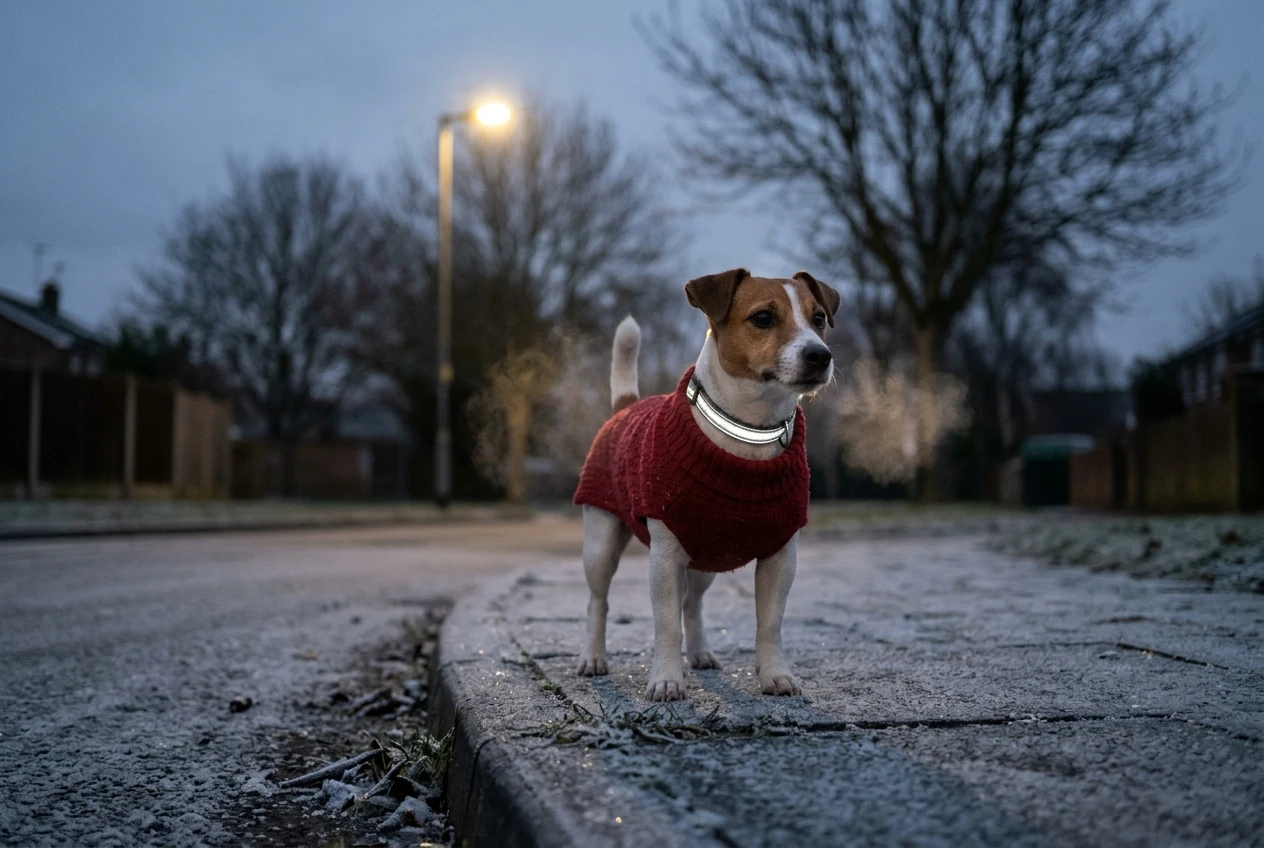
Short-coated dogs, small dogs, puppies and older animals lose heat faster than a thick-coated adult. A coat or jumper for walks helps these dogs, and so does cutting the walk short when the dog starts shivering or lifting its paws. Dry your dog properly after wet walks, including between the toes and under the belly.
Evenings are dark, so walks happen in poor light. A reflective collar or a light clipped to the harness makes your dog visible to drivers and cyclists. Keep a dog on a lead near roads and near frozen ponds or lakes, where ice may not hold weight.
Cats that go outside need somewhere dry and warm to retreat to. Indoor cats tend to hunt out radiators, sunny windowsills and your lap, so check that a heater or heated pad cannot burn them and that cables are out of chewing reach.
Antifreeze, de-icer and salt
Antifreeze is highly poisonous to dogs and cats, and a small amount can do serious harm. Wipe up any spill on the driveway or garage floor straight away, store the bottle where pets cannot reach it, and do not let your dog lick puddles near parked cars. If you think your pet has swallowed any, contact a vet immediately instead of waiting for symptoms.
Road salt and de-icer can irritate paws and make pets sick if they lick it off. Wipe or rinse paws after walks and check for cracked pads or redness.
Outdoor and stray cats sometimes crawl under cars or into engine bays for warmth. A quick knock on the bonnet before you start the engine gives them time to leave.
Festive food and decorations
The weeks before the new year bring the most food-related emergencies. Keep these out of reach:
- Chocolate, which is toxic to dogs and cats
- Grapes, raisins, sultanas and anything made with them, such as puddings and mince pies
- Sweets, baked goods and gum containing xylitol
- Fatty leftovers, cooked bones and onion or garlic in stuffing and gravy
- Tinsel, ribbon and string, which cats in particular may swallow, causing a blockage
Secure the bin, and do not leave a table of food unattended with a determined dog nearby. Lilies are dangerous to cats, so check bouquets before you bring them home.
Feeding and weight
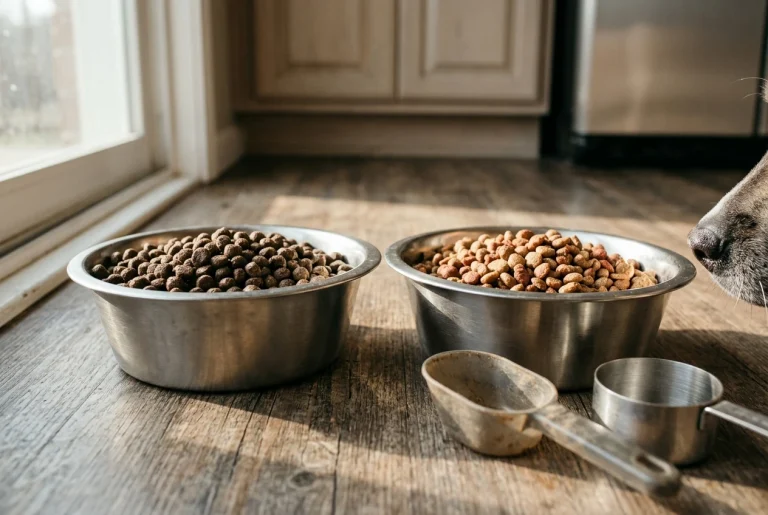
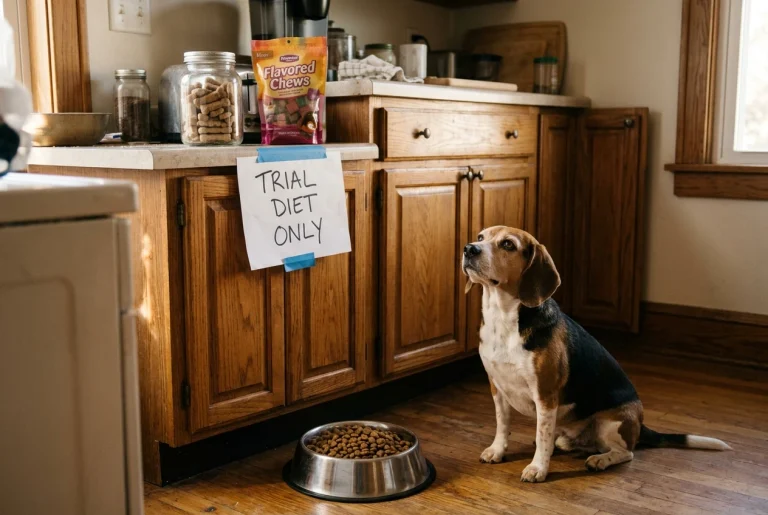
Pets often exercise less in winter. If your dog’s walks have shrunk, watch their waistline and talk to your vet before changing the amount you feed. If you do change their food, do it gradually; the post on how to transition your pet to a new diet explains how.
Signs that need a vet call
- Shivering that does not stop once your pet is warm and dry
- Lethargy, weakness or pale, cold-feeling skin after time outside
- Limping, or paws that are cracked, bleeding or constantly licked
- Vomiting, drooling or unsteadiness after a possible chemical or food exposure
- Stiffness that gets worse in cold weather
How does spring change the risks for dogs and cats?
Spring adds fleas, ticks, pollen and garden hazards while animals spend more time outside. The main task is to prepare before the warm weather arrives.
Parasites
Fleas and ticks become active as temperatures rise, and indoor pets are not exempt because fleas can travel in on clothes and other animals. Ask your vet which preventive treatment suits your pet’s species, weight and lifestyle, and never use a dog product on a cat without checking. Cat owners should be especially careful here, because some dog flea treatments are dangerous to cats.
After walks through long grass or woodland, run your hands over your dog, paying attention to the ears, armpits, groin and between the toes. If you find an attached tick, ask your vet or a vet nurse how to remove it properly.
Allergies and itching
Pollen and grass can set off itching, sneezing, watery eyes and chewed paws. Wiping paws and coat after walks removes some of what your pet picked up. For routines that make a home easier on an itchy animal, see the guide to managing pet allergies at home.
Garden and spring-clean hazards
Gardens bring poisonous plants and products into reach:
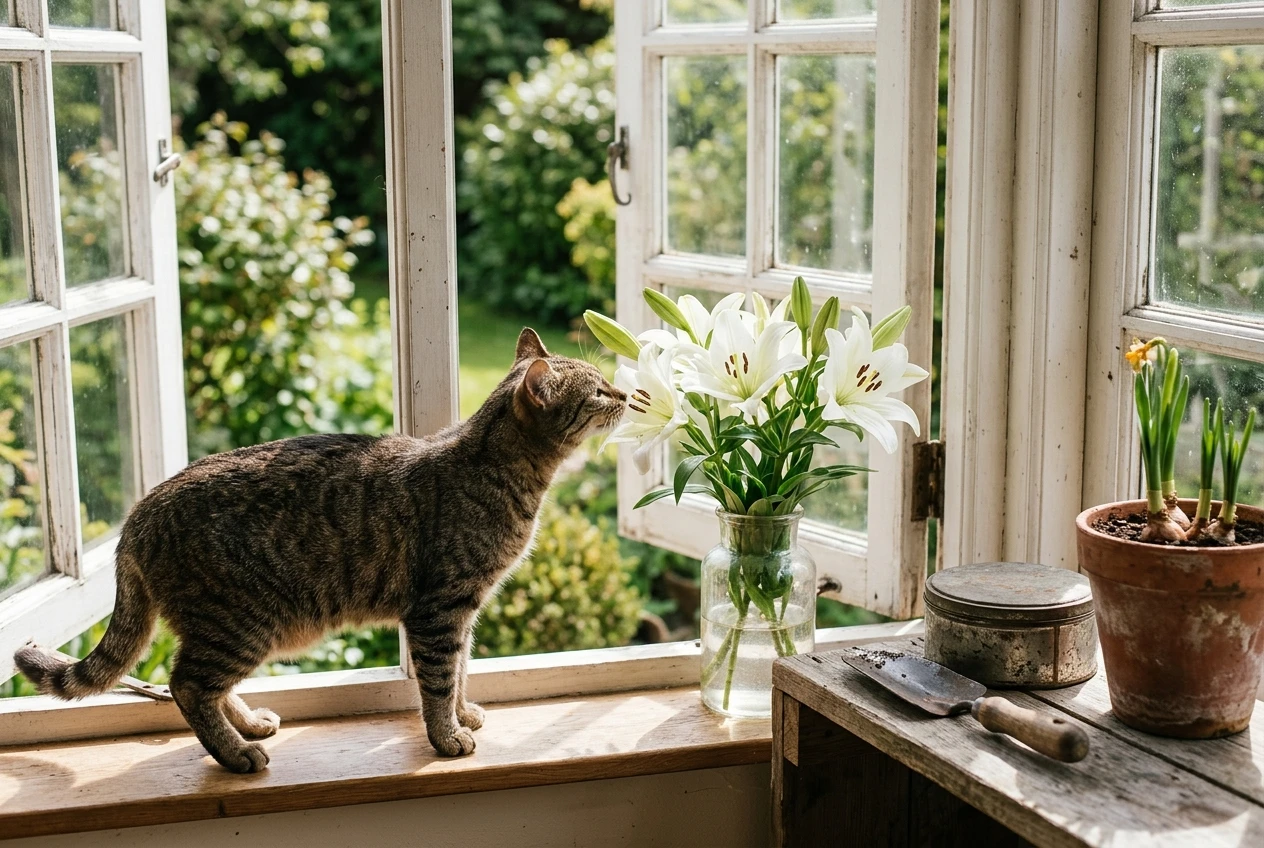
- Lilies, which are dangerous to cats, even in small amounts
- Daffodil, tulip and crocus bulbs, which dogs dig up and chew
- Slug and snail pellets, rat poison and weed killers
- Fertiliser and cocoa-shell mulch
- Cleaning products used for spring cleaning, left open or on damp floors
Store these in closed cupboards or sheds. Read the label on garden products for pet-safety instructions and keep your pet away from treated areas for as long as the label says.
Open windows are another spring problem. Cats can fall from upper floors or squeeze through gaps, so fit secure screens or limit the opening.
Grass seeds and wildlife
Sharp grass seeds can lodge in ears, paws and noses and work their way under the skin. Check your dog’s feet and ears after walks in dry, grassy places. Keep pets away from nesting birds and young wildlife, and keep dogs on leads where ground-nesting birds breed.
Signs that need a vet call
- Repeated head shaking or ear scratching
- Sudden sneezing fits or a discharge from one nostril
- Swelling around the face, hives, or difficulty breathing
- A swollen, painful paw or constant licking at one spot
- Skin scratched raw, or signs of fleas that return after treatment
How do you keep a pet safe and comfortable in summer heat?
Provide shade, fresh water and cooler exercise times, and never leave a pet in a parked car. Heat is dangerous because dogs and cats cool down less efficiently than people.
Walks, pavements and water
Walk dogs early in the morning or late in the evening. Press the back of your hand on the pavement for several seconds; if it is too hot for you, it is too hot for paw pads. Carry water on every outing and offer small drinks often.
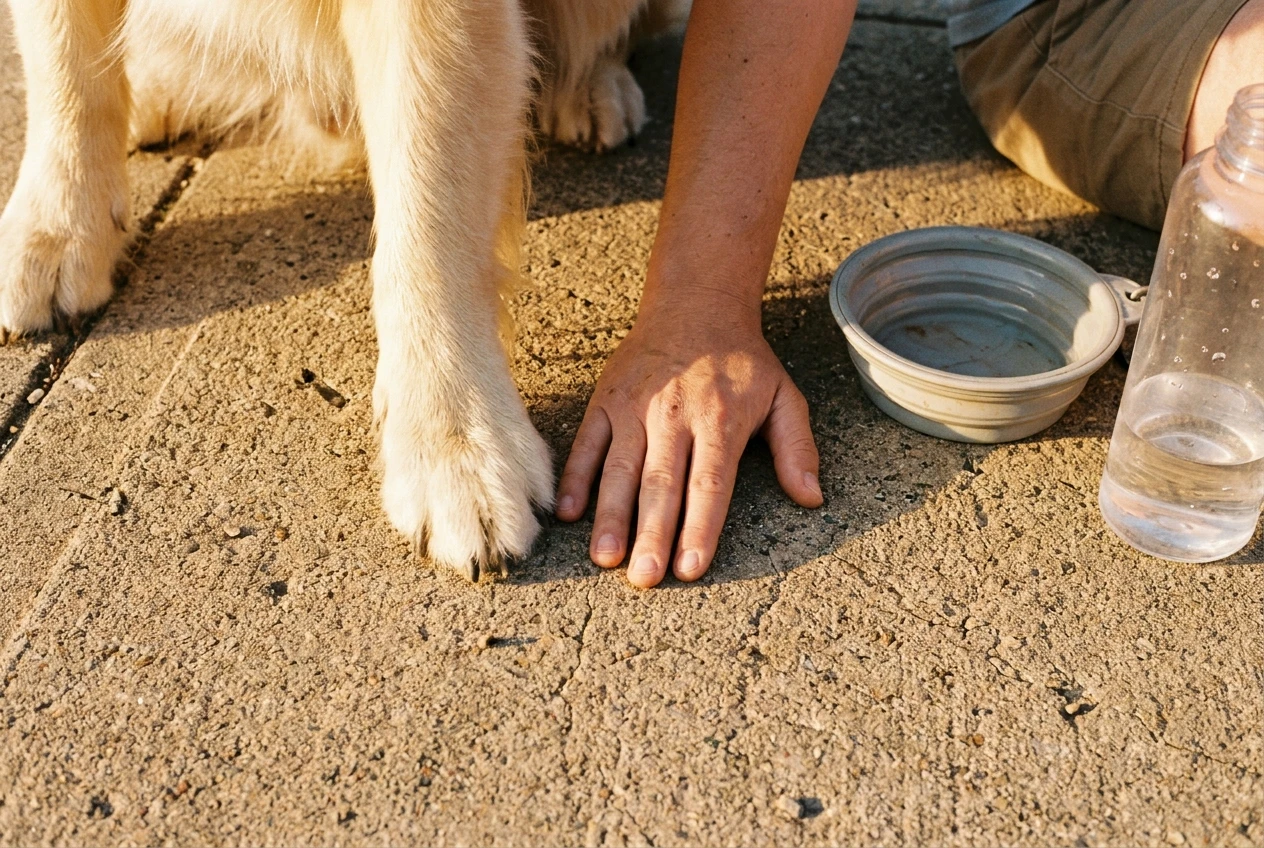
At home, keep several bowls of fresh water in shaded spots. Cats often drink more from a wide bowl or fountain than a narrow one. Make sure there is somewhere cool to rest, such as a tiled floor or a room with the curtains drawn.
Dogs with short noses, such as bulldogs and pugs, thick-coated breeds, overweight pets and older animals overheat most easily. Light-skinned pets with thin hair on the ears and nose can sunburn, so ask your vet about a pet-safe sunscreen.
Cars
A parked car heats up fast, even with the windows cracked, and a pet inside can suffer heatstroke within minutes. Take your pet with you or leave them at home. If you do travel with them in warm weather, a secure restraint matters as much as ventilation, and the guide to pet car seats covers the options.
Swimming and barbecues
Rinse your dog after swimming in a pool, lake or sea, and avoid water that looks scummy or has a blue-green algae warning. Not every dog swims well, so watch them near deep water.
Barbecues bring corn cobs, kebab skewers, bones, onions and fatty scraps within reach of dogs. These cause blockages and stomach upsets, so keep the food covered and the leftovers bagged.
Heatstroke signs and what to do
Heavy, noisy panting, thick drooling, bright red gums, weakness, vomiting, wobbling or collapse are all warning signs. Move your pet into shade or a cool room, offer small sips of water and contact a vet at once. Cool the animal with lukewarm or cool water rather than ice, and keep cooling on the way to the clinic.
What autumn hazards catch pet owners off guard?
The autumn hazards that surprise owners are rodent poison, mushrooms, conkers and acorns, fireworks and Halloween sweets. They come at a time when owners think the danger season has passed.
Rodent control and fallen things
Rodents move indoors as the weather cools, so people put out rat and mouse poison in sheds, garages and lofts. Pets can eat the bait or a poisoned rodent. Use closed bait stations out of reach or ask a professional about pet-safe alternatives, and tell your vet at once if your pet may have eaten any.
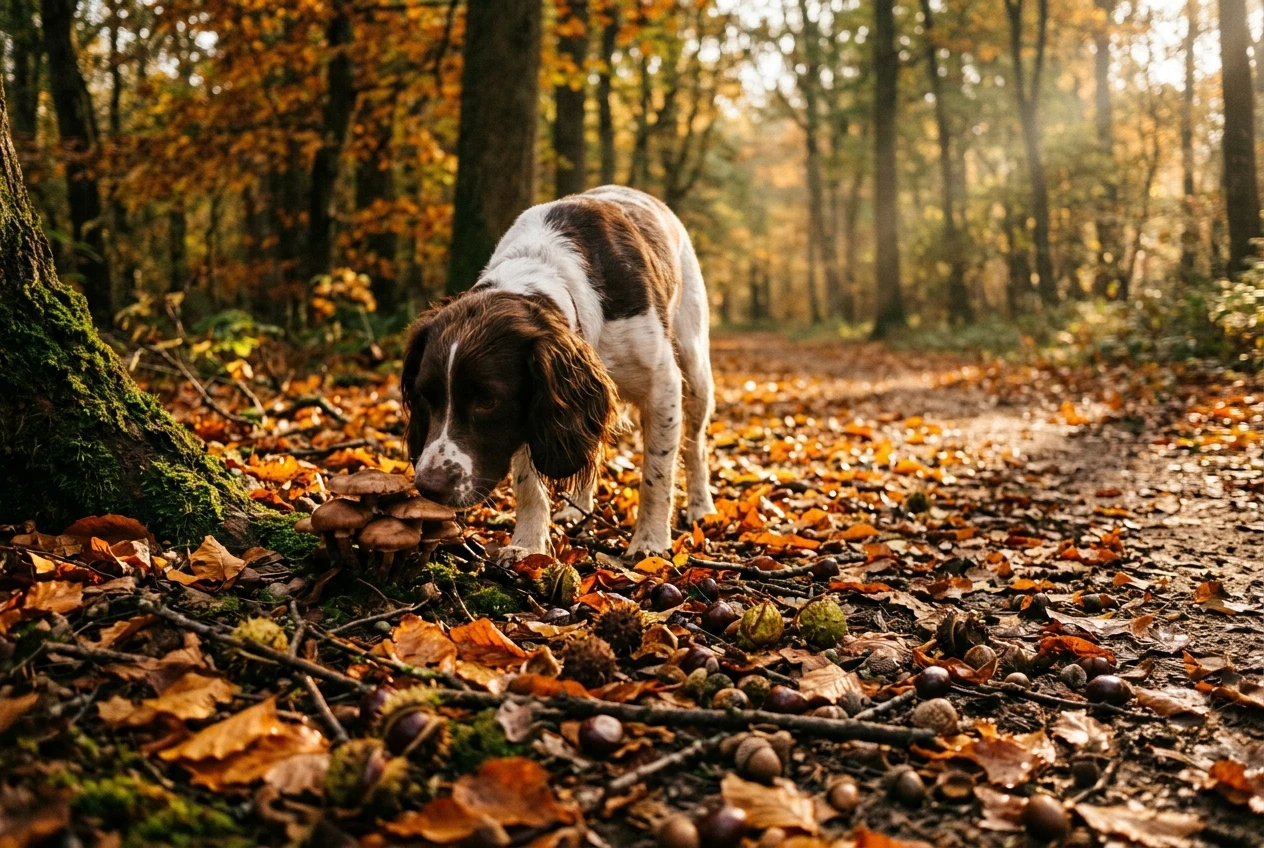
On walks, watch for mushrooms, conkers and acorns. Some wild mushrooms are toxic and difficult to identify, and conkers and acorns can poison dogs or cause blockages. Pile leaves can also hide sharp objects or damp mouldy material, so discourage your dog from rooting through them.
Fireworks and Halloween
Fireworks frighten many pets. Walk dogs before dark, keep cats indoors, close curtains and windows, and give your pet a quiet room with a hiding place. Check that the microchip details are up to date in case a frightened pet bolts. If your pet’s fear is severe, ask your vet well ahead of time about options.
Halloween sweets are chocolate-heavy and often contain xylitol, so store the bowl out of reach and keep wrappers in a bin with a lid. Decorations with candles, glow sticks or cables also tempt curious pets.
Coat changes and grooming
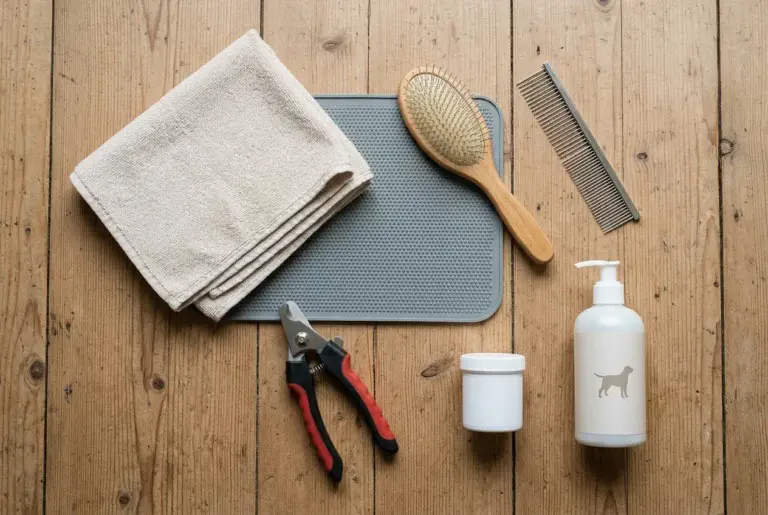
Many pets shed their summer coat in autumn and grow a thicker one. More frequent brushing removes loose hair and lets you check the skin for lumps, scabs and parasites. The guide to grooming your dog or cat at home explains how to do this calmly.
Signs that need a vet call
- Vomiting, diarrhoea, tremors or drooling after a walk
- Bleeding, bruising or pale gums, which can point to rodent poison
- Stomach swelling or repeated retching
- Extreme panic that does not settle after fireworks
Which pets need extra care in every season?
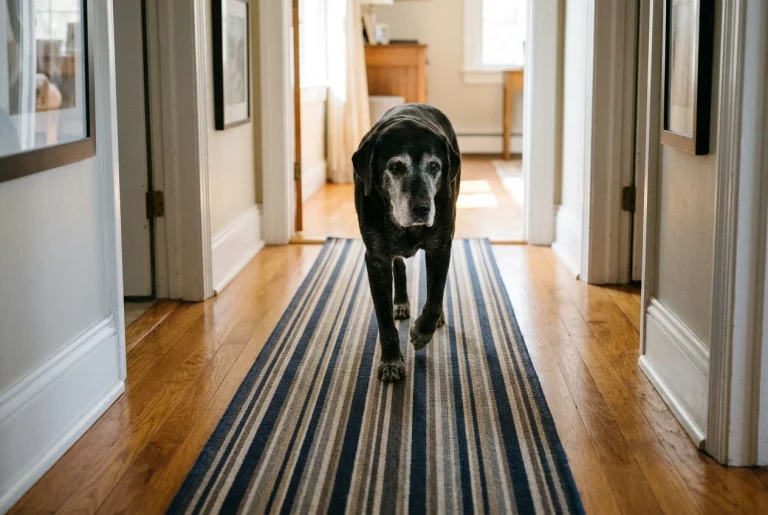
Puppies, kittens, senior animals, flat-faced breeds, pets with long-term health conditions and thick-coated dogs need extra attention in every season, because they cope less well with temperature extremes and changes of routine.
- Puppies and kittens chew and swallow things, tire quickly and have less control over body temperature. Supervise them outside and keep walks short.
- Senior pets often stiffen in the cold and tire in the heat. Non-slip flooring, supportive bedding and ramps help; the post on making your home easier for a senior dog or cat covers these.
- Flat-faced breeds overheat easily and may struggle with breathing, especially in warm, humid weather.
- Pets with heart, kidney, joint or skin conditions may need their routine, diet or medication reviewed by their vet as the weather changes.
- Outdoor cats face traffic, weather and wildlife hazards, so check that they have a dry shelter and a current microchip.
If your pet belongs to one of these groups, a short conversation with the vet at the start of each season is more useful than guessing.
How do you turn all this into a seasonal pet care checklist?
Put one short list for each season on the fridge or in your phone and review it when the clocks change or the weather turns. The table below pulls the main points together.
Season | Check or adjust | Call the vet if |
|---|---|---|
Winter | Store antifreeze safely, wipe paws, add visibility for dark walks, secure festive food, watch weight | Your pet may have swallowed antifreeze or chocolate, or shivers and seems weak |
Spring | Start parasite prevention, check for ticks and grass seeds, store garden products, secure windows | Face swelling, repeated head shaking, or a tick or seed you cannot deal with |
Summer | Walk at cooler times, provide shade and water, never leave pets in cars, rinse after swimming | Heavy panting, drooling, red gums, collapse or confusion |
Autumn | Secure rodent bait, avoid mushrooms and conkers, plan for fireworks, brush more often | Vomiting, bleeding, tremors or severe fear that does not settle |
A few habits apply all year:
- Keep your vet’s number and the nearest emergency clinic’s number where you can find them quickly.
- Check that microchip and contact details are current.
- Weigh your pet or check their body condition every few months.
- Keep water bowls clean and full.
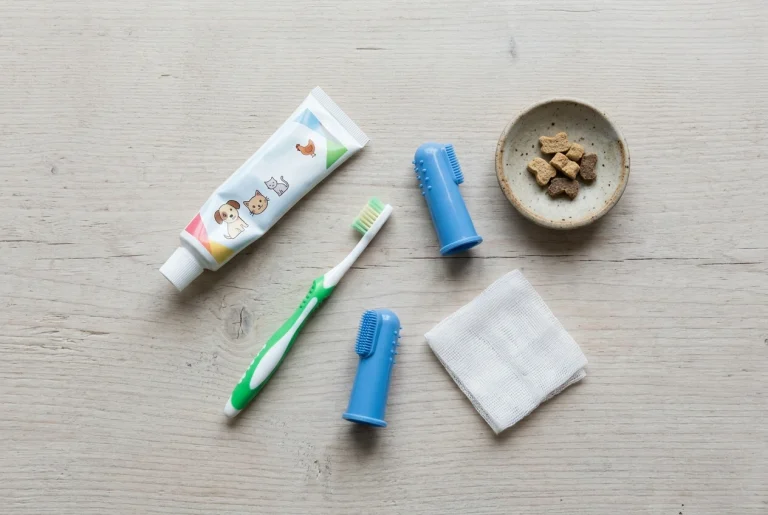
- Book routine check-ups, vaccinations and dental checks as your vet advises.
Seasonal pet care works best as a routine rather than a reaction. Pick the season you are in, work through its list this week, and add the next one when the weather changes.